











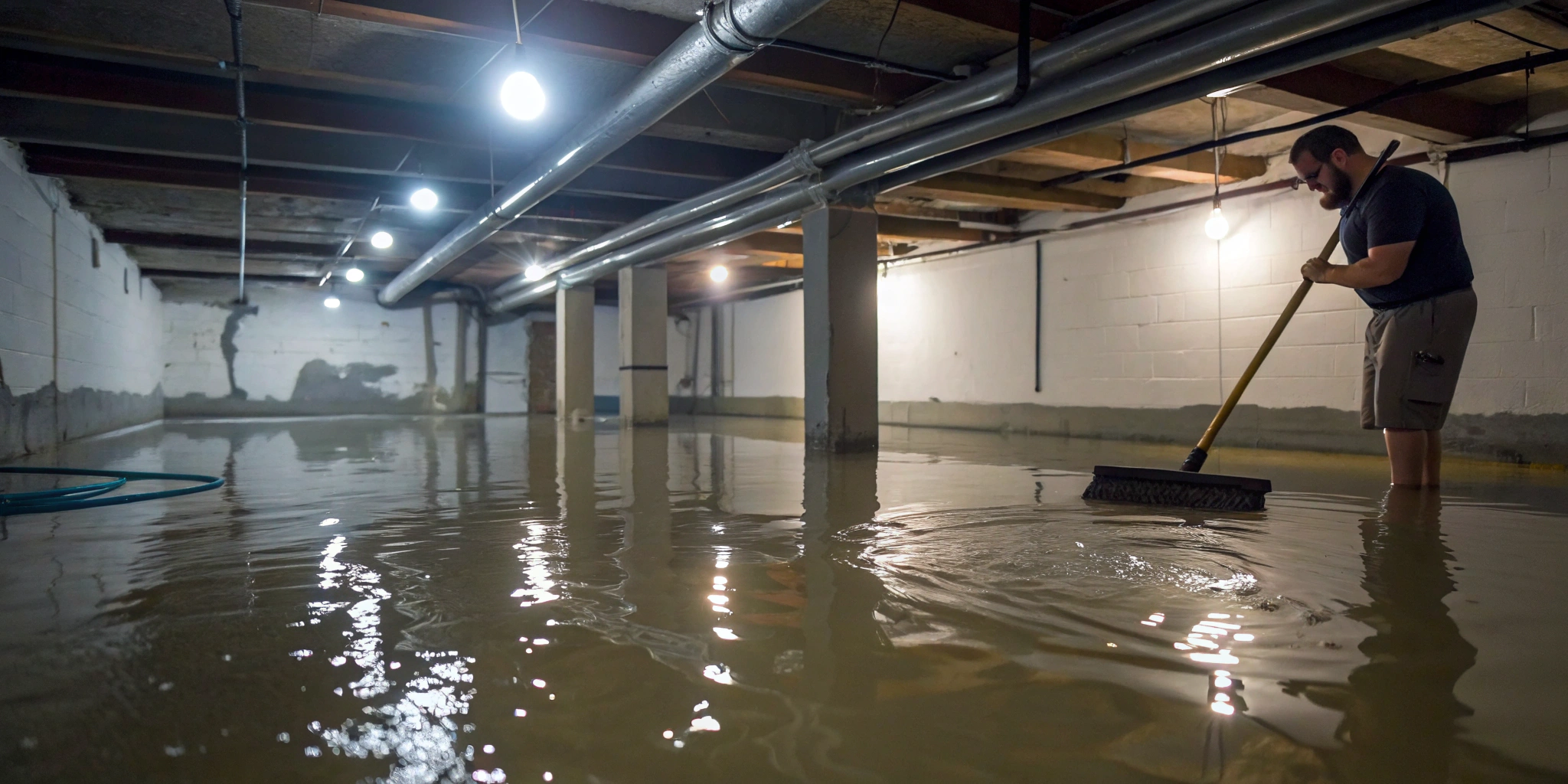
The immediate mess of a burst pipe is stressful enough, but the real danger lies in the damage you can’t see. Once the water is stopped, a hidden threat begins to grow. This is what happens when a pipe bursts under your house: moisture seeps into your home’s foundation, weakening its structural integrity. It saturates drywall and insulation, creating a perfect breeding ground for mold and mildew that can compromise your family’s health. It can even create serious electrical hazards. This article goes beyond the initial plumbing emergency to uncover the long-term risks, helping you understand why a fast, professional response is essential to protecting not just your property, but your home’s safety and value.
Key Takeaways
- Master your immediate response: When a pipe bursts, your first two steps are always the same: shut off the main water valve and cut the power to wet areas. Knowing how to do this quickly can save you thousands in damages.
- Proactive maintenance is your best defense: Simple actions like insulating pipes in your crawlspace, sealing air leaks, and scheduling routine plumbing inspections are the most effective ways to prevent a burst pipe from ever happening.
- Look beyond the initial leak: The real danger of a burst pipe lies in long-term issues like mold, foundation damage, and structural problems. Remember to document everything for insurance, which typically covers the water damage but not the pipe repair itself.
How to Spot a Burst Pipe Under Your House
A burst pipe under your house isn’t always as dramatic as a geyser in your front yard. Often, the signs are subtle and easy to miss if you don’t know what to look for. Since these pipes are hidden in your crawlspace or beneath a concrete slab, a leak can go unnoticed for a while, silently causing serious damage to your home’s foundation and structure. Catching the problem early is the key to preventing a small issue from turning into a major, expensive repair.
Knowing the warning signs can help you act quickly. Your home will usually give you a few clues that something is wrong with the plumbing system. Paying attention to unusual changes in your water, strange sounds, or unexpected wet spots can make all the difference. If you notice any of these red flags, it’s a signal to investigate further and likely call in a professional for a water leak repair. Don’t ignore these signs—your home is trying to tell you something important.
Puddles and Flooding Near Your Foundation
One of the most straightforward signs of a burst pipe is water where it shouldn’t be. If you notice persistent puddles in your yard, especially when it hasn’t been raining, take a closer look. Water pooling near your home’s foundation is a major red flag. Inside, a burst pipe can cause water to flood basements and crawlspaces, sometimes even seeping up through the flooring. This moisture can quickly ruin carpets, wood, drywall, and insulation. If you see unexplained water, it’s time to act fast to prevent more extensive damage to your property.
Strange Noises from Your Pipes
Your plumbing system should operate fairly quietly. If you suddenly start hearing odd noises, it’s a good idea to pay attention. A burst pipe can create sounds like hissing, whistling, or even banging from within your walls or under your floors. These noises are often caused by water escaping from a pipe under high pressure. Don’t dismiss these sounds as your house just “settling.” Hissing or bubbling can indicate a steady leak, while a banging sound might mean the pipe is shifting. Trust your ears—if something sounds off, it probably is.
Sudden Drop in Water Pressure or Murky Water
A sudden and noticeable drop in water pressure throughout your house is a classic symptom of a burst pipe. If your showers feel weaker and your faucets are barely trickling, it means a significant amount of water is being lost somewhere between the main line and your fixtures. You might also notice changes in the water itself. If your water suddenly looks murky, rusty, or has dirt in it, it could be because soil and other debris are entering the system through the break in the pipe. These signs point to a serious issue that needs immediate attention from a residential plumbing expert.
Burst Pipe? Here’s What to Do Right Now
Discovering a burst pipe under your house can feel overwhelming, but your immediate actions can make a huge difference in minimizing the damage. Panicking is a natural reaction, but having a clear plan will help you stay in control. Think of the next few minutes as a critical window to protect your home and your wallet. The goal is to stop the flow of water, ensure everyone’s safety, and get professional help on the way as quickly as possible. This isn’t just about fixing a pipe; it’s about safeguarding your property from extensive water damage, which can lead to mold, structural issues, and costly repairs that go far beyond the initial plumbing problem.
Before you do anything else, take a deep breath. We’ve broken down the process into four simple, actionable steps. Follow this guide to manage the situation effectively until help arrives. From shutting off the water supply to documenting the damage for your insurance company, each step is designed to put you back in the driver’s seat. Acting fast and methodically is the key to turning a potential disaster into a manageable problem. We’ll walk you through exactly what to do, so you can feel confident you’re making the right moves when every second counts.
Shut Off the Main Water Valve
This is your absolute first priority. Stopping the water at its source will prevent further flooding and damage. Your home’s main water shut-off valve is typically located in the basement, a crawl space, or near your water heater. It might have a wheel-style handle you turn clockwise or a lever-style handle you turn a quarter-turn. If you don’t know where it is, now is the time to find it. Make sure everyone in your household knows its location and how to operate it for future emergencies. This single action can save you thousands in potential repairs.
Cut Power to Wet Areas
Water and electricity are a dangerous combination. If the flooding is near electrical outlets, appliances, or your circuit breaker box, you need to cut the power to those areas immediately. Head to your home’s main electrical panel and flip the breaker for any affected rooms or circuits. If you’re unsure which breakers control which areas, it’s safest to shut off the main breaker for the entire house. Your safety is paramount, so don’t take any chances with potential electrical hazards. Never step in standing water if you suspect the power is still on.
Call for Emergency Plumbing Service
Once you’ve stopped the water and secured the power, it’s time to call in the professionals. A burst pipe requires an expert to assess the situation and perform a lasting repair. Contact a trusted company that offers emergency residential plumbing services. A licensed plumber can quickly locate the source of the break, explain your options, and handle the complex water leak repair properly. Trying to fix a burst pipe yourself can often lead to bigger, more expensive problems down the road, so leave this job to someone with the right tools and experience.
Document Everything for Insurance
Before you start any cleanup, grab your phone and document the damage. Take plenty of photos and videos of the flooded area, the burst pipe if you can see it, and any water-damaged belongings. Capture wide shots of the entire scene and close-ups of specific damage. If you can, use a measuring tape to show how high the water level reached. This evidence will be crucial when you file a claim with your homeowners insurance company, helping to ensure the process goes smoothly and you get the coverage you deserve. Don’t throw anything away until your insurance adjuster has seen it.
The Hidden Dangers of a Burst Pipe
A burst pipe under your house is much more than a plumbing inconvenience. While the immediate mess is stressful enough, the real problems start once the water seeps into your home’s structure. The damage can be extensive, affecting everything from your floors and foundation to the air you breathe. It’s easy to underestimate the power of water, but when it’s released uncontrollably beneath your home, it can quietly cause thousands of dollars in damage before you even notice. This isn’t just about a high water bill; it’s about the long-term health and safety of your property.
Understanding these hidden dangers is the first step in protecting your home and your family. It’s not just about stopping the leak; it’s about addressing the serious after-effects that can linger long after the water is gone. From compromised structural integrity to serious health and safety risks, the consequences of a burst pipe demand immediate and professional attention. Below, we’ll cover the specific ways a burst pipe can put your property at risk, so you know exactly what you’re up against. We’ll look at how water can damage your home’s framework, create health hazards, threaten your foundation, and even create electrical dangers.
Structural and Floor Damage
When a pipe bursts, the water has to go somewhere. Under your house, it will quickly saturate the ground and begin to seep into your crawlspace or basement. From there, it can soak everything it touches. This includes your flooring, whether it’s carpet, hardwood, or tile, leading to warping, staining, and ruin. The water also works its way into drywall and insulation, rendering them ineffective and creating a soggy mess. More critically, it can weaken the wooden beams and supports that hold up your home, compromising its structural integrity over time. What starts as a simple leak can become a major threat to your home’s framework.
Mold, Mildew, and Health Hazards
One of the most serious consequences of water damage is the growth of mold and mildew. It only takes 24 to 48 hours for mold spores to begin growing in a damp, dark environment—like the space under your house after a pipe bursts. This isn’t just a cosmetic issue; mold releases spores into the air that can cause significant health problems, including allergic reactions, asthma attacks, and other respiratory issues. Getting a professional water leak repair is about more than just fixing the pipe; it’s about preventing a long-term health hazard from taking root in your home and protecting your family’s well-being.
Foundation Damage and Soil Erosion
Your home’s foundation relies on stable, compacted soil for support. A burst pipe can unleash a huge volume of water that erodes this essential soil, literally washing away the ground your foundation sits on. This can lead to settling, shifting, and eventually, cracks in your foundation walls and concrete slab. Foundation damage is one of the most expensive and difficult home repairs you can face. A small leak that goes unnoticed for weeks or a major burst that floods the area can both cause irreversible harm, making it crucial to address any suspected under-house leaks as soon as you spot them.
Electrical System Safety Risks
Water and electricity are a life-threatening combination. If water from a burst pipe reaches electrical wiring, outlets, or appliances in your basement or crawlspace, it creates an immediate and severe safety risk. Contact between water and electrical systems can cause short circuits, which can spark and lead to a fire. Even more frightening is the risk of electrocution for anyone who enters the flooded area. This is why one of the first steps in handling a burst pipe is to shut off the power to any affected parts of your home. Never attempt to wade through standing water until you are absolutely certain the electricity is off.
Does Homeowners Insurance Cover Burst Pipes?
When you’re dealing with a burst pipe, one of the first questions that comes to mind is, “Who’s going to pay for all this?” The answer, unfortunately, isn’t always straightforward. While homeowners insurance can be a lifesaver, coverage isn’t guaranteed. It usually comes down to why the pipe burst in the first place. Understanding the fine print of your policy now can save you a massive headache later. Let’s break down what you can typically expect from your insurance provider and how you can prepare for a successful claim.
Understanding Your Policy’s Coverage
Most standard homeowners insurance policies cover water damage that is “sudden and accidental.” This means if a pipe unexpectedly freezes and bursts, you’re likely covered for the resulting damage, like ruined floors and drywall. However, there’s a catch: coverage often excludes damage from gradual leaks or poor maintenance. If your pipes have been slowly dripping for months and you haven’t addressed the issue, your insurer might deny the claim, arguing the damage was preventable. The best first step is to pull out your policy documents or call your agent to understand exactly what your specific plan covers.
Common Myths About Pipe Repair Coverage
Here’s a distinction that surprises many homeowners: your insurance will likely pay for the damage caused by the water, but not for the actual pipe repair itself. For example, your policy may cover the cost of replacing soaked carpets and repairing the water-damaged ceiling. However, the bill from the plumber for the water leak repair is often your responsibility. Think of it this way: the policy covers the consequences of the burst pipe, not the faulty part that caused the problem. Knowing this helps you set realistic expectations when budgeting for the repair.
How to File a Successful Claim
To give your claim the best chance of success, documentation is everything. Before you start cleaning up, take photos and videos of all the damage. Capture everything from the source of the leak to every soaked piece of furniture and warped floorboard. Keep a detailed log of every conversation you have with your insurance company, and save all receipts related to the incident—including costs for professional water removal, repairs, and even temporary housing if you have to move out. A detailed invoice from a professional plumber can also serve as crucial evidence for your claim.
How to Prevent Burst Pipes Under Your Home
Dealing with a burst pipe is a stressful, expensive mess that no one wants to face. The good news is that you can take control and significantly lower your risk with some proactive steps. A little prevention goes a long way, especially with the cold Spokane winters we know and love. Instead of waiting for a disaster, you can protect your home’s plumbing system and your peace of mind. These preventative measures are far easier and more affordable than cleaning up water damage and making emergency repairs.
Think of it as a simple checklist to keep your home safe and your water flowing smoothly, no matter what the weather brings. By taking care of your pipes before a problem arises, you’re not just avoiding a potential flood; you’re investing in the long-term health of your home. We can help you get ahead of any issues with our residential plumbing services, ensuring your system is ready for anything. Let’s walk through the most effective ways to keep the pipes under your house from freezing and bursting.
Insulate Your Pipes and Maintain Temperature
One of the best things you can do to prevent frozen pipes is to insulate them, especially those in unheated areas like crawl spaces, basements, and garages. You can find simple foam pipe sleeves at most hardware stores that are easy to install. This insulation acts like a winter coat for your pipes, keeping the water inside from dropping to freezing temperatures. Also, try to maintain a consistent temperature inside your home. Even when you’re away, keep the thermostat set to at least 55°F. That steady warmth helps protect pipes running through walls and floors from the bitter cold outside.
Schedule Regular Plumbing Inspections
Sometimes, the biggest risks are the ones you can’t see. Scheduling a regular plumbing inspection allows a professional to spot vulnerabilities before they become catastrophes. A plumber can identify pipes that are most at risk of freezing, check for tiny, hidden leaks, and ensure your entire system is in good working order. They can also find and seal small cracks or gaps in your foundation or walls that let cold air sneak in and freeze your pipes. A small investment in a professional check-up can save you from a huge headache and costly water leak repairs down the road.
Prepare Your Plumbing for Every Season
Getting your plumbing ready for winter should be on every homeowner’s fall checklist. Before the first freeze, disconnect all garden hoses and drain the water from them. If you have an indoor valve to shut off water to your outdoor spigots, turn it off and open the spigots to let any remaining water drain out. During an extreme cold snap, you can also let faucets connected to vulnerable pipes drip slowly. This continuous movement helps prevent the water from freezing solid. Taking these simple seasonal steps is a powerful way to protect your home from burst pipes.
Don’t Overlook These Simple Checks
A few simple habits can make a huge difference in protecting your pipes. On very cold nights, open the cabinet doors under your kitchen and bathroom sinks. This allows the warm air from your home to circulate around the pipes, keeping them from freezing. It’s also a good idea to walk around your home’s foundation and seal any visible cracks or holes where utility lines enter. Use caulk or spray foam to block these entry points for cold air. These small, easy checks don’t cost a thing but can be incredibly effective at preventing a frozen pipe emergency.
Recovering from a Burst Pipe: What to Expect
A burst pipe is one of the most stressful things a homeowner can face. Once you’ve handled the immediate emergency by shutting off the water and calling for help, the recovery process begins. It can feel overwhelming, but knowing what to expect can make it more manageable. The path forward involves addressing the costs, cleaning up the mess, repairing the damage, and dealing with insurance. Let’s walk through each step so you can feel prepared for what’s ahead.
Immediate Costs vs. Long-Term Maintenance
A burst pipe’s cost goes beyond the initial fix. The biggest expenses often come from water damage restoration, including professional drying, mold remediation, and replacing floors and walls. This is why preventative maintenance is so valuable. A routine inspection costs a fraction of a major restoration and can identify potential issues before they become a crisis. Investing a little in upkeep for your home’s plumbing can save you from a huge, unexpected financial burden. We can help with any water leak repair before it gets out of hand.
The Water Removal and Drying-Out Process
Once the leak is contained, drying everything out quickly is critical to prevent mold and structural damage. For small areas, use mops, towels, and a wet/dry vacuum. Opening windows and using fans or a dehumidifier will speed up the process. For major flooding, professional water extraction services are essential. A thorough drying process is the foundation for all other repairs. It ensures the long-term health of your home and is a key part of any residential plumbing emergency response.
Repairing and Replacing Damaged Materials
After everything is dry, it’s time to assess the damage. Materials like drywall, insulation, and carpet that have been saturated often need to be completely replaced to prevent mold. If water has been sitting for more than a day, the risk of contamination increases, making replacement the safest choice. A professional can help you identify what can be salvaged and what needs to go. This ensures your home is restored properly, leaving it safe and free of hidden problems that could surface later.
Impact on Your Property Value and Insurance
Navigating the aftermath includes dealing with your insurance. Thankfully, most homeowner’s insurance policies cover damage from a sudden pipe burst. Contact your agent right away and document everything with photos. While insurance helps with the financial burden, the quality of the repair is what protects your property’s value. An incomplete restoration can lead to issues that hurt your home’s worth. A professional, well-documented repair not only fixes the problem but also preserves your investment by showing the issue was resolved completely and correctly.
How to Talk to Your Plumber About the Repair
When you’re dealing with a burst pipe, the conversation with your plumber is one of the most important steps in the process. Clear communication can make the difference between a quick, effective fix and a drawn-out, costly ordeal. It’s completely normal to feel overwhelmed, but taking a moment to organize your thoughts before you call will help your plumber diagnose the problem faster and give you a more accurate idea of what to expect. Think of it as a partnership: you have the on-the-ground information, and they have the expertise. By working together, you can get your home back to normal as smoothly as possible. Being prepared with specific details and the right questions will empower you to make informed decisions during a stressful time.
Explain the Problem Clearly
When you call for help, the more specific you can be, the better. Instead of just saying, “A pipe burst,” try to provide as much detail as you can about the symptoms you’ve noticed. Where did you first see the water? Did you hear any strange noises, like a loud bang or a hissing sound, before the leak started? Have you noticed a sudden drop in water pressure or discolored water coming from your faucets? Giving your plumber this information upfront helps them build a mental picture of the situation before they even arrive. This initial diagnosis is crucial for a swift and effective water leak repair, allowing the team to bring the right tools and prepare for the specific challenge under your house.
Ask About the Process and Cost
Once your plumber has assessed the situation, don’t hesitate to ask questions. Understanding the repair plan will give you peace of mind and help you manage expectations. Ask about the steps they will take to fix the pipe and what the estimated costs will be. It’s also wise to ask about the bigger picture. While fixing the pipe is the immediate goal, addressing the resulting moisture is just as important to prevent mold and structural issues. Find out if their service includes water extraction or if you’ll need to coordinate with a separate restoration company. Getting a clear breakdown of the process and costs helps you stay in control and ensures there are no surprises when it comes to your residential plumbing service.
Know When It’s a True Emergency
A burst pipe under your house is almost always an emergency. If you have water actively flooding your crawl space or foundation, you need to act fast. After shutting off the main water valve and cutting power to any affected areas, your next call should be for emergency service. When you speak to the plumber, clearly state that you have an active, uncontrolled leak. It’s crucial to recognize when the situation has escalated to an emergency to protect your home from extensive damage. Communicating the urgency ensures your call gets prioritized. A professional plumbing team understands that every minute counts in these situations and will work to get a technician to your home as quickly as possible.
Common Burst Pipe Myths, Busted
When you’re dealing with a burst pipe, misinformation can lead to costly mistakes and even more damage. It’s easy to get overwhelmed, but understanding the facts can help you make smart decisions under pressure. Let’s clear up a few common myths about burst pipes so you can handle the situation with confidence and protect your home. Knowing what’s true and what’s not will save you time, money, and a lot of stress.
Myth: The Repair Is Your Only Priority
While getting the pipe fixed is urgent, it’s not the first or only thing you should focus on. Before you even call a plumber, your immediate priority is to stop the flow of water and ensure the area is safe. Once you’ve shut off the main water valve and cut the electricity to any wet areas, then it’s time to call for professional help.
As you wait for your plumber to arrive, start documenting the damage for your insurance claim. Take clear photos and videos of the flooding and any damaged belongings. Make a detailed list of everything affected, including brand names and model numbers if possible. This preparation will be a huge help when you file your claim and can make the process much smoother.
Myth: Frozen Pipes Aren’t a Big Deal
It’s tempting to think a frozen pipe will just thaw out on its own, but this is a dangerous assumption, especially in a place like Spokane. When water freezes, it expands with incredible force. This expansion puts immense pressure on the pipe from the inside, which can easily cause it to crack or burst. What starts as a simple blockage can quickly turn into a major flood.
The financial fallout can be significant. The average insurance claim for water damage from frozen pipes is over $11,000. Ignoring a frozen pipe isn’t just risky; it’s a gamble with your home’s structure and your savings. Taking preventative steps, like insulating pipes, is always a better and more affordable strategy than dealing with the aftermath of a burst.
Myth: A DIY Fix Is Good Enough
In the age of online tutorials, it might seem like you can fix anything yourself. However, a burst pipe is not the time for a DIY experiment. A temporary patch might seem to hold, but it rarely addresses the underlying issue and can fail spectacularly, causing even more water damage. Professional plumbers have the tools and expertise to ensure the repair is done correctly and permanently.
More importantly, safety is a major concern. If the burst pipe is connected to a sewer line, the water could contain harmful bacteria. You should never attempt to clean or repair a leak that might involve sewage. For a safe and lasting solution, it’s always best to call for a professional water leak repair to handle the job right.
Why Regular Maintenance is Your Best Defense
When it comes to the plumbing under your house, an ounce of prevention is truly worth a pound of cure. Dealing with a burst pipe is stressful, messy, and expensive. The best way to handle a plumbing emergency is to stop it from ever happening. Regular maintenance isn’t just another item on your to-do list; it’s your home’s first line of defense against catastrophic water damage. A little attention now can prevent a huge headache later.
The Value of a Professional Inspection
You can see the faucets and fixtures in your home, but what about the hidden network of pipes running beneath your floors? That’s where a professional inspection makes all the difference. A trained plumber can spot subtle signs of trouble that most homeowners miss, like early-stage corrosion, pinhole leaks, or improperly secured pipes. During an inspection, an expert will assess your entire system, ensuring it’s ready for seasonal temperature swings. Investing in high-quality insulation for vulnerable pipes is a smart move, and an expert can identify exactly where it’s needed most. A routine check-up provides a clear picture of your home’s residential plumbing health.
Spotting Trouble Before It Starts
Between professional visits, there are simple things you can do to protect your pipes. Start by looking for any pipes exposed to the cold, especially in crawl spaces, basements, or garages. Insulating these pipes is a straightforward project that can prevent them from freezing and bursting. You should also seal any cracks or openings in your foundation or walls near plumbing lines. These gaps can let in frigid air, creating the perfect conditions for a frozen pipe. Taking these simple steps can go a long way in preventing a disaster. If you notice a small drip, it’s a sign you need to call for a water leak repair before the problem gets worse.
How Our Maintenance Services Can Help
Taking care of your plumbing doesn’t have to be a solo job. Our team at Action Craft Experts can handle all your preventative maintenance needs, taking the guesswork out of protecting your home. During a maintenance visit, we conduct a thorough inspection of your entire system. We’ll insulate vulnerable pipes, seal air leaks, and check for any signs of wear and tear that could lead to future problems. We can also show you how to shut off your main water valve in an emergency and offer personalized advice. Let us help you prepare your home for every season with our comprehensive residential plumbing services in Spokane.
Related Articles
- 6 Signs: How to Tell if a Pipe Burst Underground
- How to Tell If a Pipe Burst in the Wall: 7 Signs
- How Much to Fix a Broken Water Pipe Underground?
Frequently Asked Questions
My water pressure dropped, but I don’t see any water. Could it still be a burst pipe? Yes, absolutely. A sudden drop in water pressure is one of the most reliable signs of a leak somewhere in your system. Since the pipes are under your house, the water might be soaking into the ground or pooling in a crawlspace where you can’t see it. Don’t wait for a puddle to appear in your yard; if your faucets are trickling, it’s a clear signal to investigate the possibility of a hidden leak.
What’s the most important thing I can do to prevent pipes from bursting this winter? If you only do one thing, insulate your pipes. Focus on any pipes located in unheated areas like your crawlspace, basement, or garage. You can find simple foam pipe sleeves at any hardware store, and they are incredibly effective at protecting your plumbing from freezing temperatures. It’s a small, inexpensive task that can save you from a massive and costly repair down the road.
Will my insurance still cover the damage if the pipe burst simply because it was old? This is where things can get tricky. Most insurance policies cover damage that is “sudden and accidental,” but they often exclude issues caused by a lack of maintenance or general wear and tear. If an old, corroded pipe finally gives way, your insurer might argue that the failure was gradual and preventable, potentially denying your claim. It’s always best to call your insurance agent to clarify the specifics of your policy.
How long does the whole repair process take after a pipe bursts? The timeline can vary quite a bit. The actual plumbing repair might only take a few hours, but that’s just the first step. The most time-consuming part is drying out the affected area, which can take several days with professional fans and dehumidifiers. After that, you’ll need to repair or replace any damaged flooring, drywall, or insulation. The entire process, from the initial flood to the final touches, can take anywhere from a few days to a few weeks depending on the extent of the damage.
Can I just use a temporary patch kit on the pipe myself? While a DIY patch kit might seem like a quick and cheap solution, it’s a risky gamble. These patches are not designed to be permanent and can fail under pressure, leading to an even bigger flood than the one you started with. A burst pipe requires a professional repair to ensure it’s fixed correctly and safely. It’s always better to have a licensed plumber handle the job to guarantee a lasting solution and prevent future problems.